
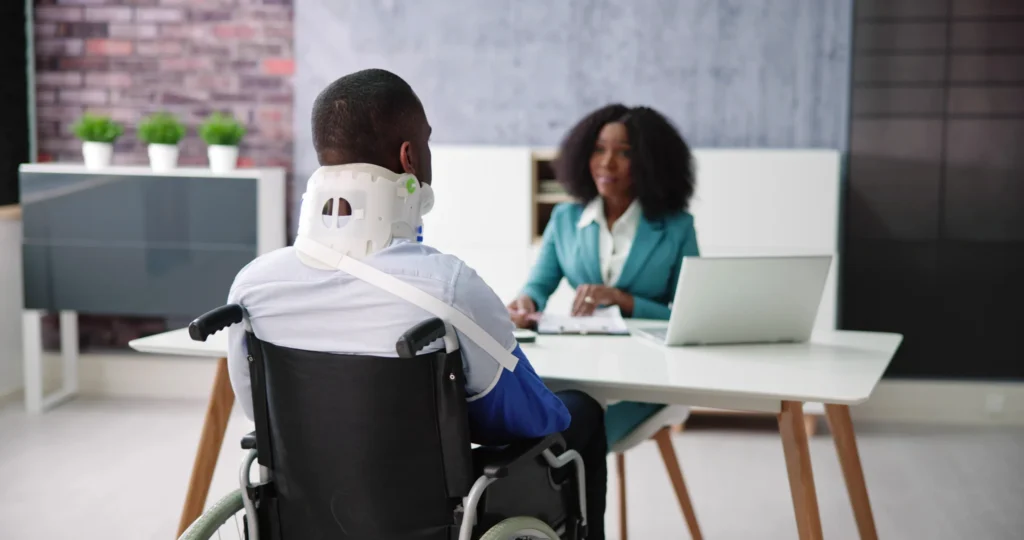
Oklahoma law requires every driver to carry liability insurance, but not every driver does. When an uninsured driver causes a crash, the person at-fault often has no policy to pay medical bills and few assets worth pursuing.
For many Oklahomans, the best path to compensation runs through their own auto insurance policy, by way of uninsured motorist coverage. If you’ve been in an accident, an experienced attorney can guide you through the process of collecting what you’re due.
How Many Oklahoma Drivers Are Uninsured?
Estimates of uninsured drivers vary widely. The Insurance Information Institute put Oklahoma’s uninsured rate at 12 percent in 2023, slightly below the national figure of 15.4 percent. The Oklahoma District Attorneys Council points to national studies suggesting that as many as 26 percent of vehicles on the state’s roads may lack coverage, and the Oklahoma Insurance Department describes the state’s rate as among the highest in the country.
The state has tried to close that gap. Through the Uninsured Vehicle Enforcement Diversion (UVED) program, run by the District Attorneys Council, cameras capture license plates and check them against an insurance verification system. Owners of uninsured vehicles can avoid a misdemeanor charge by buying coverage and entering a diversion program. Enforcement does nothing for someone already injured.
What UM Coverage Does
An uninsured motorist clause is the part of an auto policy that pays for injuries to the policyholder and passengers when the driver at fault carries no insurance.
The state insurance department says UM coverage protects you, family members living in your household, and passengers in your vehicle when they are hurt by an uninsured, underinsured, or hit-and-run driver. The underinsured portion comes into play when the other driver’s liability limits run out before your losses are covered. That happens often, because Oklahoma’s minimum liability limits ($25,000 per person and $50,000 per accident for injuries, plus $25,000 for property damage) rarely cover a serious injury. UM benefits can help with medical expenses, lost income, and pain and suffering.
One limitation surprises many drivers. UM coverage pays for bodily injury, not vehicle repairs. The insurance department notes that damage to your car from an uninsured driver is generally handled under your collision coverage.
Did You Reject UM Coverage?
UM coverage is optional in Oklahoma, but insurers must offer it with every auto policy. A policyholder who declines must sign a written rejection form, and the insurance department explains that until the signed form is returned, the insurer charges for the minimum UM limits.
You may also have UM coverage if the rejection form did not meet the legal requirements. Before assuming you don’t have coverage, get a copy of the signed form and ask your attorney to review it.
“Stacking,” the practice of combining UM limits across multiple vehicles, is generally prohibited by law for policies issued after November 1, 2014, unless expressly permitted.
Making a UM Claim
A UM claim is a first-party claim, meaning you are asking your own insurer to pay. Oklahoma insurers owe their policyholders a duty of good faith, but the adjuster’s goal is still to limit what the company pays, and disputes over fault or the extent of injuries are common. To protect a claim:
- Call law enforcement and get a crash report, especially after a hit-and-run
- Seek medical care promptly and keep every bill and record
- Notify your insurer as your policy requires
- Avoid signing a release or accepting a settlement before speaking with an attorney
That last step is especially important in underinsured cases. If the at-fault driver’s insurer offers its policy limits, state statutes require you to notify your UM carrier in writing by certified mail. Your insurer then has 60 days to pay that amount itself to preserve its right to pursue the at-fault driver. Skipping this step can jeopardize your UM benefits. Separately, a lawsuit against the at-fault driver generally must be filed within two years.

Talk to an Oklahoma Injury Attorney
Being hit by an uninsured driver should not leave you paying for someone else’s negligence. Kincannon Law can review your policy, deal with your insurer, and help you pursue the full benefits you paid for. Call for a consultation today.