
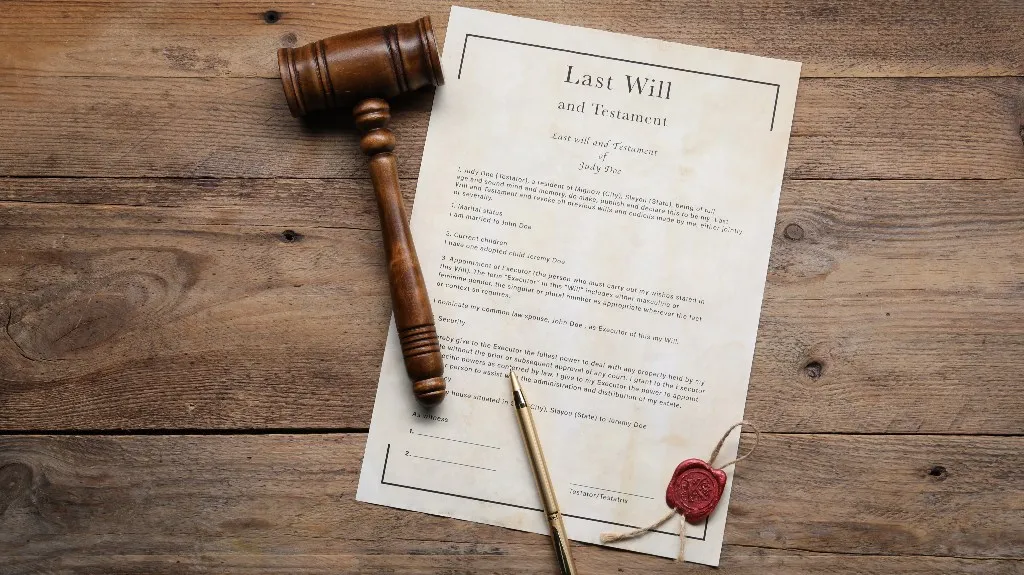
A will is a legal document that states how your assets and belongings should be divided when you die, one of the most familiar concepts in law. Yet only 40 percent of Americans leave a will, a situation that can create stress for loved ones—and inadvertently cut some out of an inheritance completely.
Understanding and preparing for the process of probate, which governs transferring ownership of assets and property after a person’s death, is the work of trusted estate attorneys. Their expertise stretches beyond creating wills and into developing comprehensive estate plans that provide for future generations.
Six Reasons Oklahomans Should Create a Will
There are compelling reasons to examine your assets and create a will stating who should receive them when you die. Probate is a primary motivation. It can be an expensive, months-long process that families endure when a loved one dies. It is created by state law to account for fair distribution of assets to the right family members, and when it concludes the information becomes public record.
Understanding how probate works is critical knowledge for those writing wills and creating estate plans. The following are five reasons to leave a will:
- If a person dies without a will, their estate is settled through probate according to Oklahoma law. This usually means that the wishes of the deceased, who worked hard to accumulate assets, have no bearing on who receives them.
Typically, the contents of an estate include:
- Bank accounts
- Titles to properties
- Investments
- Personal belongings
- People who do not fit the state law definition of “family members” typically do not receive any proceeds from an intestate decedent. That means a life partner or stepchild who was not adopted may be completely left out.
- Wills are validated by probate, which ensures the executor or personal representative follows the required procedures for settling the estate. Dying without a will is called “intestate.” In the absence of a will, the order of inheritance is:

- If married, the surviving spouse receives half of the estate and any children get equal shares of the other half
- If there is no surviving spouse the children receive the entire estate
- Rules of inheritance are complex and determined on a case-by-case basis decided by the court if there are children from previous relationships. In this situation, the spouse may inherit only the portion of the estate and assets acquired during the marriage while the children split the rest.
- If the deceased had no spouse or children, the estate goes to their parents, if living.
- If there is no spouse, children, or living parents, the court looks for more distant relatives such as siblings, or the children of siblings to receive the estate. Grandparents and uncles and aunts are also potential heirs.
- “Escheat” is the term used when no living heirs are found, so the proceeds of the estate are deposited into a state account.
- The distribution of any property owned solely by the deceased is decided by the probate process, but beneficiaries may inherit certain assets that are automatically transferred upon the death of the owner. These are assets like life insurance policies with designated beneficiaries and property co-owned using a “right of survivorship” or similar titles.
- Guardians are named for minor children if their only living parent dies. A will may name a guardian for them (subject to approval by a court), but without a will the court system decides who will raise them.
Clarity and Guidance When You Need It
Creating a will is a simple first step that all Oklahomans should take. Those with more complex estates should consult the experts at Kincannon Law for an estate plan designed to minimize taxes, care for your family, and keep information about your assets out of the public eye. Call for a consultation today.