
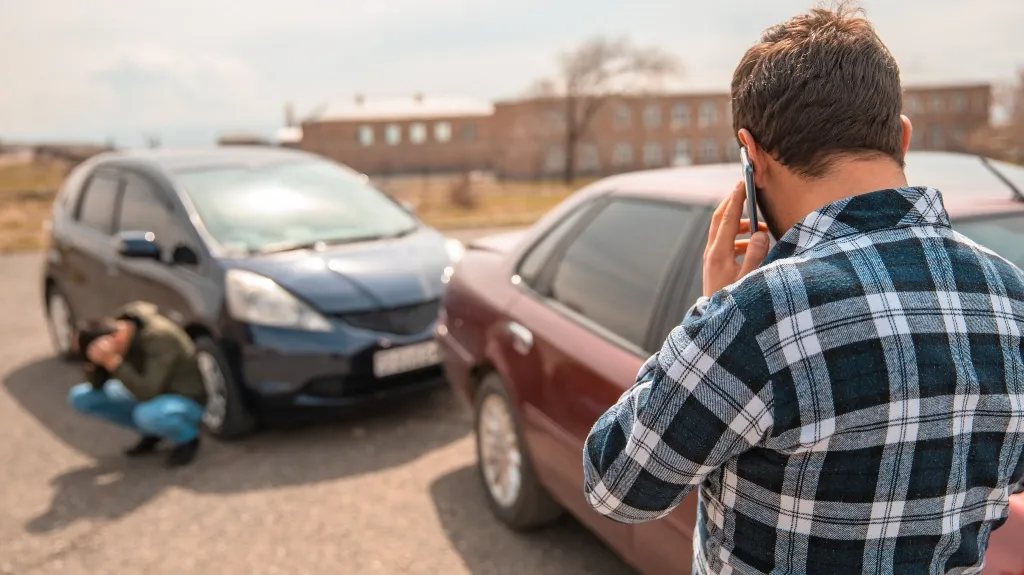
In the fall, drivers across Southwest Oklahoma face a predictable but underestimated hazard: deer on rural highways. With the Wichita Mountains Wildlife Refuge and surrounding countryside supporting a healthy whitetail population, the region’s winding roads and wooded stretches experience a spike in deer-vehicle collisions every year.
Knowing what to do when a vehicle collides with wildlife can save time, money, and an insurance dispute. An experienced attorney can aid by explaining your policy conditions as well as advocating for you when claims get denied or delayed.
Why This Time of Year is So Risky
The Oklahoma Department of Wildlife Conservation says deer movement increases sharply from October to December as the mating season peaks. Sources estimate 1.5 million deer-vehicle collisions occur nationwide each year, causing more than $1 billion in vehicle damage. According to AAA Oklahoma, the average deer strike claim among policyholders reached $7,620 in 2024, up sharply from prior years, driven partly by the cost of repairing sensor and camera equipped modern vehicles. Dawn and dusk are consistently the highest risk hours, since that’s when deer are most active and visibility is lowest.
What To Do In The Moment
Safety experts generally advise against swerving sharply to avoid a deer in the road, as this often causes a more serious crash than the strike itself. Instead, brake firmly, stay in your lane, and hold the wheel steady. If a collision happens, follow these steps:
- Move to safety. If you can, move your vehicle off the roadway and turn on your hazard lights.
- Check for injuries. Call 9-1-1 immediately if anyone is hurt.
- Stay away from the animal. An injured deer can be dangerous. Let law enforcement or animal control handle it.
- Document the scene. Take photos of vehicle damage, the roadway, and the animal if visible, and note the time, location, and weather conditions.
- Decide whether to call police. Under Oklahoma law, drivers must notify law enforcement when a crash involves injury, death, or apparent property damage of $3,000 or more. File a written report with the Department of Public Safety within six months if the matter isn’t otherwise settled. Even for minor damage, a responding officer’s report can make an insurance claim easier to process.
- Notify your insurer promptly. Report the collision to your insurance company as soon as possible, providing the police report number if one was generated.
The Insurance Side: Comprehensive, Not Collision
Drivers are often surprised that standard collision coverage typically does not pay for a deer strike. Damage from hitting an animal is generally covered under comprehensive coverage, sometimes called “other than collision” coverage. Comprehensive coverage isn’t required by Oklahoma law, although a lender or leasing company may require it.
Because there’s no “at fault” driver in a deer strike, filing a comprehensive claim typically doesn’t affect your rates the way an at-fault collision claim would, but that changes if you swerve and hit another vehicle or a fixed object because that scenario is usually treated as a collision claim. It’s worth reviewing your policy, or asking your agent, whether comprehensive coverage is included, since Oklahoma does not mandate it.
Dealing With the Claims Process
When filing a claim, be factual and consistent: describe what happened without speculating about fault, since a deer strike is a “no fault” event by nature. Keep repair estimates, photos, and any police report number organized, and ask your insurer in writing to confirm which coverage applies. If your insurer disputes coverage or valuation, Oklahoma’s Insurance Department accepts consumer complaints and can help mediate disagreements over how a claim was handled.
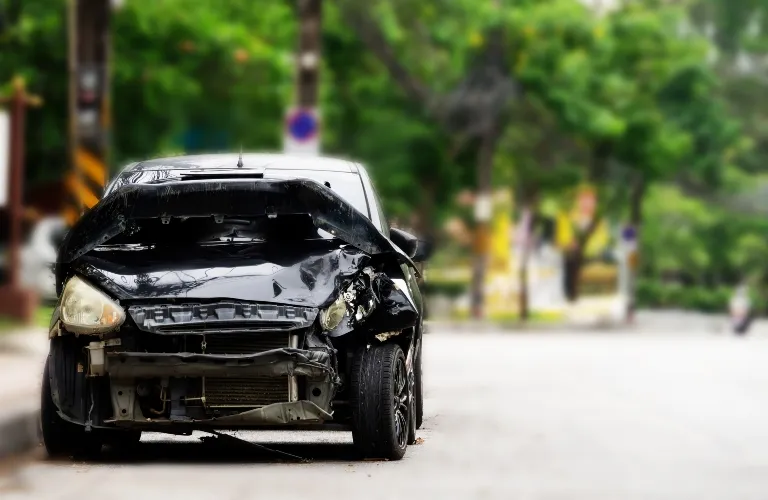
Stay Alert This Deer Season
Deer season in Oklahoma can be a hazardous driving period. Taking care behind the wheel and understanding how comprehensive insurance coverage works can make the difference between a manageable inconvenience and a drawn-out insurance headache. If your claim is held up or denied, contact Kincannon Law Firm for assistance.